

Kiwi Flat-Tack-ers
(Focused Strivers)
Kiwi Flat-tack-ers (Focused Strivers) make up 13.4% of Kiwis,, representing a hardworking, younger working-age segment raising families while under clear financial pressure.
Employed full-time at high rates, they feel economically squeezed and politically unheard despite putting in long hours.
They harbour deep distrust toward Wellington politicians and large institutions, feeling hard work no longer guarantees security.
Socially conservative on crime and immigration, they seek practical relief from household expenses rather than grand political promises.
Economic security, recognition, self-reliance, social order, personal freedom, and fair treatment.
NOW: More worried about impacts of immigration and crime than others, and most about Cost-of-Living of all groups. TOMORROW: More focused on our financial challenges today than others, they pay less attention to climate change or long term investment in infrastructure. DIVIDES: They worry most about the divide between rich and poor, and specifically about income divides, and are less worried about political divisiveness, because politics holds less interest to them than many.
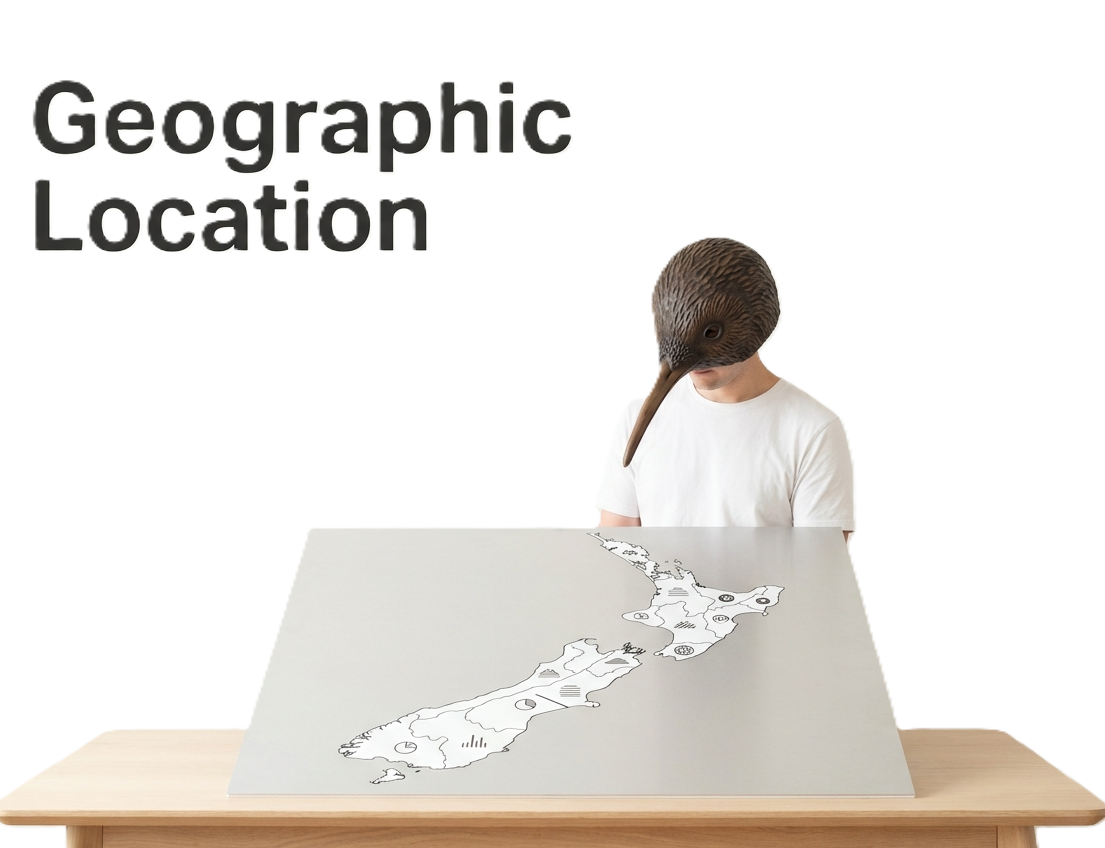
Heavily concentrated in suburban communities across Auckland and other large cities as well as our regional industrial or transport corridors. Typically managing a home mortgage or renting , very few Kiwi Flat-tack-ers own their homes mortgage-free yet.

Lower news engagement overall, with a generally lower interest in politics than most. When they do, they use mainstream news channels include Stuff, TVNZ 1News, the NZ Herald and social media platforms.
Aroha
Kiwi Flat-Tack-er
Aroha lives in Manurewa, South Auckland, in a suburban three-bedroom home that she and her husband bought a few years ago with a heavy mortgage.
Working full-time in Freight Administration for a busy logistics firm near the airport, Aroha represents the mixed Pasifika, Māori, and Pākehā working families keeping the city running while struggling under relentless financial weight.
Aroha is a family-first, exhausted worker whose life revolves around her school-aged children, work schedules, and balancing the weekly household budget.
Between mortgage repayments, grocery bills, power costs, and petrol for the commute, she feels like her family is working flat-tack just to stay in the same place.
For Aroha, politics feels distant, depressing, and out of touch with everyday reality.
She doesn't have time for political theories or Wellington speeches; she wants safer streets in Manurewa, fair prices at the supermarket, lower interest rates, and a healthcare system that works when her kids get sick.
During her busy day, Aroha skims Stuff headlines on her phone during lunch breaks and catches glimpses of social media posts or evening news updates.
She takes political promises with heavy skepticism, believing that politicians rarely understand the struggles of ordinary working people..
Politically, Aroha voted Labour in 2023 out of family tradition and working-class loyalty, and she feels disappointed by the lack of tangible economic relief.
Heading toward 2026, she is undecided and considers not voting at all, waiting to see if any party offers real, practical relief for working families—a true Kiwi Flat-tack-er.

Some more Kiwi Flat-Tack-ers
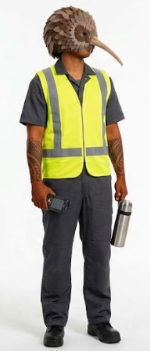
Rawiri (Raw) is a young building supplies operator in Christchurch navigating high living costs, rent, or a starter mortgage. Working long shifts in industrial logistics, he feels exhausted by the current economic environment and doubts that hard work alone guarantees financial security or political representation.

Darren is a machinery technician and father in Auckland deeply affected by rising interest rates and inflation. Skewed toward deep institutional skepticism, he prioritizes practical fairness and immediate cost-of-living solutions over political debates, focusing on keeping his household financially afloat.

Renee is a healthcare assistant in Palmerston North balancing shift work and family life. She worries about grocery prices, health service delays, and community safety. Her focus remains squarely on real-world outcomes that impact her family’s daily wellbeing and budget.

Courtney is a customer support representative in Lower Hutt facing steep living and rental costs. Disengaged from mainstream politics, she seeks immediate, tangible economic support rather than ideology, focusing on budgeting and navigating the high costs of daily life.
Who Flat-Tack-ers…
…are most SIMILAR to
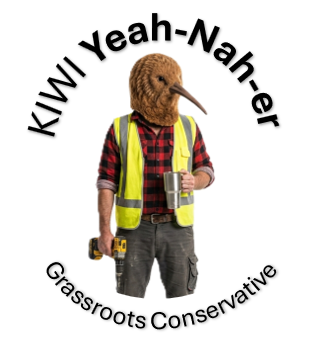
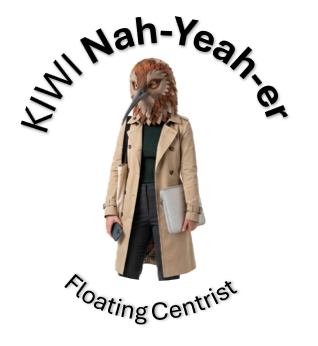
Most similar in economic strain, institutional distrust, and social conservatism
Both segments feel financially squeezed despite working hard, holding deep cynicism toward Wellington institutions, politicians, and media.
They share firm views on law and order, concerns about immigration pressure, and sensitivity to perceived preferential treatment.
Most similar in age bracket, housing pressure, and daily financial focus
Both segments represent younger working-age Kiwis navigating an expensive environment dominated by high housing, rental, and mortgage costs.
However, Kiwi Flat-tack-ers carry much higher institutional distrust, lower optimism, and stronger social conservatism than Floating Centrists.
Who Flat-Tack-ers…
…are most DIFFERENT to
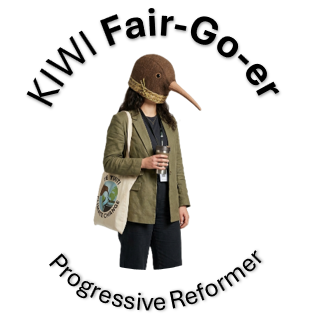
The Ideological & Cultural Contrast
Progressive Reformers are highly political, urban, and driven by systemic reform, climate urgency, and Te Tiriti partnership.
Kiwi Flat-tack-ers reject political correctness, view climate policies as low priorities, and feel that official focus on cultural debates overlooks the pressing reality of struggling working families.
The Institutional Trust & Civility Contrast
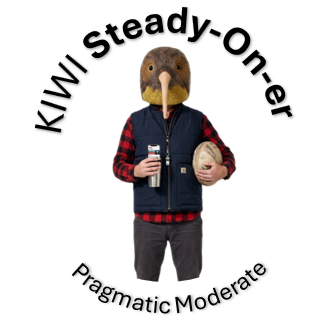
Pragmatic Moderates maintain high trust in mainstream news, value political compromise, and enjoy greater financial comfort
Kiwi Flat-tack-ers differ sharply through their deep institutional cynicism, financial vulnerability, and belief that the system is rigged