

Kiwi Steady-On-ers
(Pragmatic Moderates)
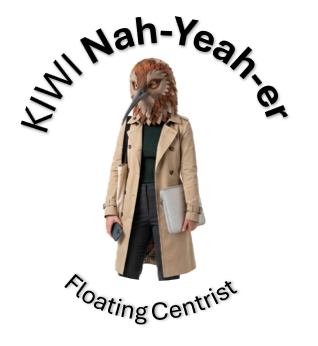
Kiwi Steady-On-ers (Pragmatic Moderates) make up 20.4% of Kiwis, and are both the largest segment and the closest segment to the ‘average Kiwi'.
They avoid ideological extremes, judging politics by whether it improves everyday outcomes for families and communities through civility, compromise, and practical problem-solving.
They value multiculturalism and maintain high trust in evidence and news, preferring negotiation over populist narratives while focusing on fixing institutions.
Centrist and pragmatic, their political interest is moderate, often remaining undecided until close to election day and voting for whoever makes the most practical sense.
Practicality, fairness, moderation, inclusion, evidence and stability.
NOW: Cost of Living, healthcare and housing affordability are their main secondary concerns. TOMORROW: Artificial intelligence, climate change, living standards and ageing concern them longer-term. DIVIDES: Culture war issues are lower priorities for Steady-On-ers than practical household issues.
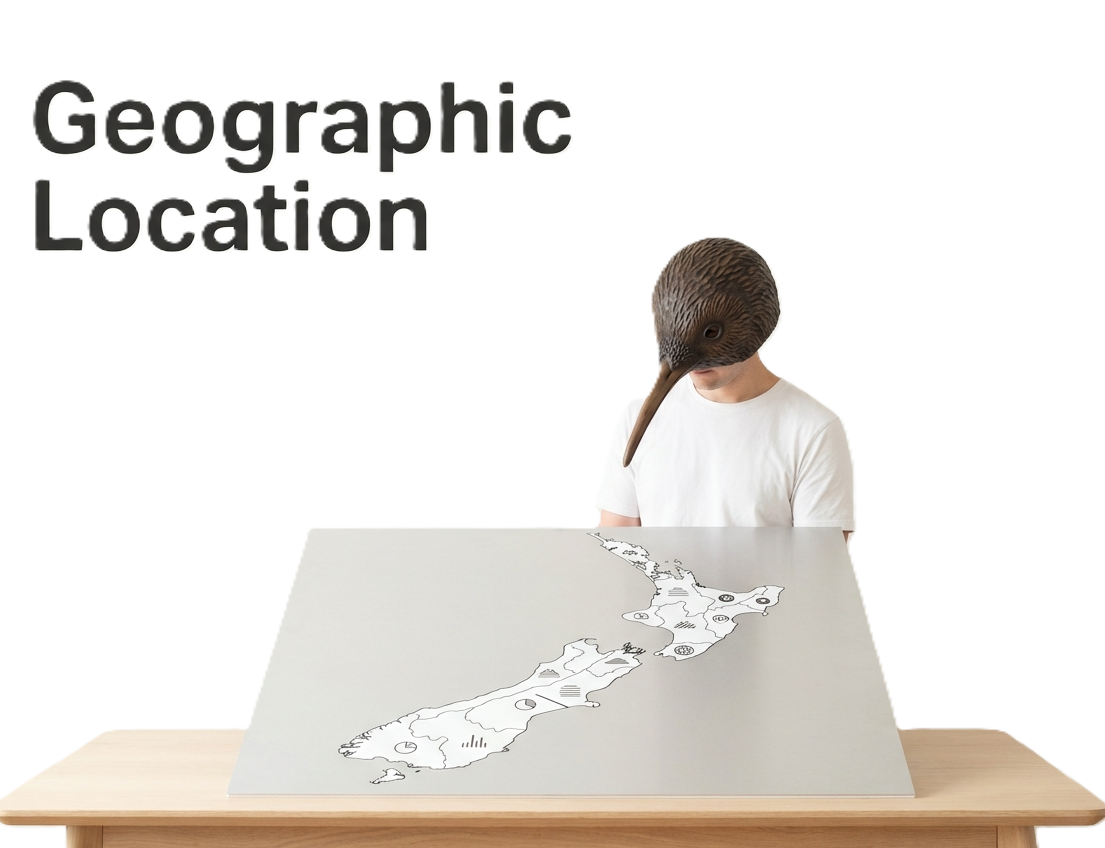
Spread fairly evenly right across Aotearoa, all regions and communities large and small But a little more likely than other Kiwis to have moved from where they were born to where they live and work now.

Big browsers of Stuff, their media consumption is otherwise pretty representative of New Zealand as a whole, some commercial radio on the commute, some TV and streaming at home, though they are less likely to use Te Ao Maori News than most other Kiwis.
Mark
Kiwi Steady-On-er
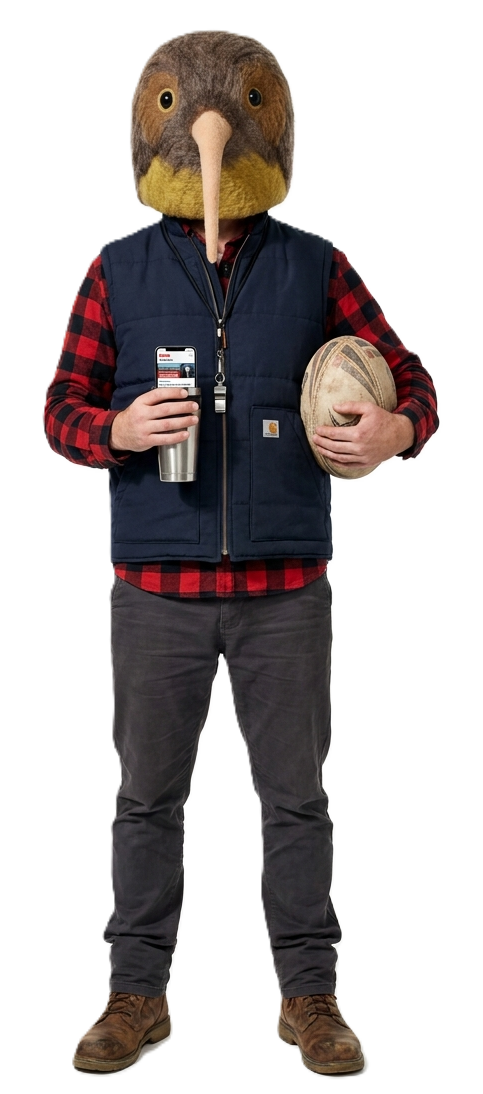
Mark lives in suburban Te Atatū, Auckland, balancing a family mortgage and a full-time logistics role.
He represents the pragmatic middle of New Zealand society—focusing on family life, everyday community outcomes, and practical solutions rather than political rhetoric or partisan divides.
Fairness, moderation, and civility guide Mark’s outlook.
He supports social inclusion and multiculturalism, placing culture wars at the bottom of his concerns.
Instead, he prioritizes tangible improvements to local infrastructure, community amenities, cost of living, healthcare, and housing affordability - hoping his teenage children can build strong futures and eventually afford their own home in Auckland.
In civic life, Mark leads by example through quiet, helpful actions: coaching his daughter’s junior touch rugby team, maintaining his elderly neighbours’ lawns, and participating in local school working bees.
He values self-reliance and community cooperation over political friction, preferring constructive discussion around interest rates or local services rather than heated debates.
During his morning commute, Mark tunes in to commercial radio and checks mainstream news outlets like Stuff, TVNZ 1News, and the NZ Herald. He maintains high trust in evidence-based reporting and actively avoids sensationalism or online outrage.
Politically centrist and non-ideological, Mark backed Labour in 2020 and National in 2023. Heading into 2026, he remains an undecided floating voter who evaluates political teams on the practical merit of their policies, epitomising the classic Kiwi Steady-on-er.
Some more Kiwi Steady-On-ers

David is an Auckland suburban dad balancing a full-time work week, household mortgage, and coaching junior touch rugby. Mindful of cost-of-living concerns, he stays focused on family, community infrastructure, and practical results. Centrist and fair-minded, he values local social cohesion, compromise, and evidence over political arguments.
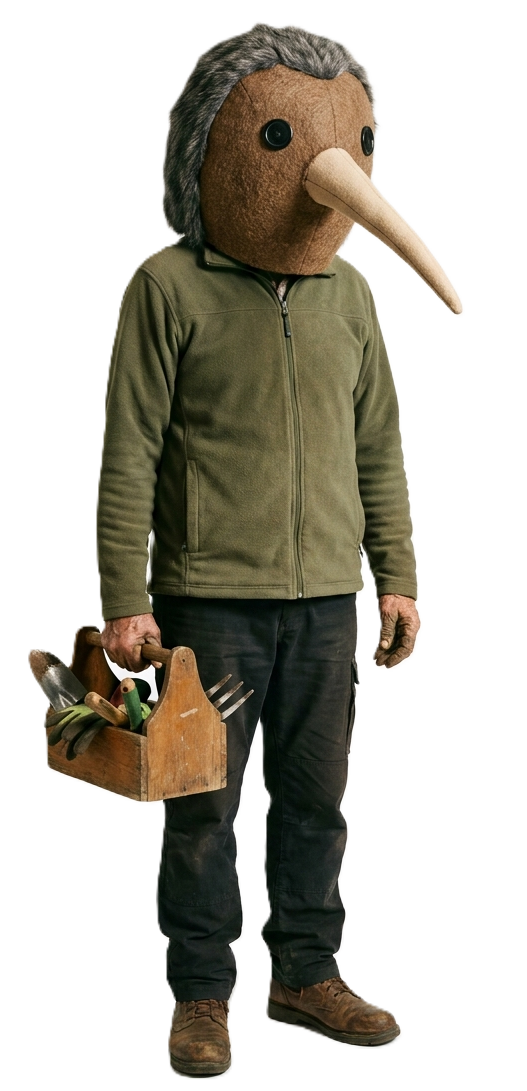
Craig is a retired tradesperson in Palmerston North who actively volunteers to maintain local public spaces and infrastructure. Valuing superannuation stability, civility, and everyday practicality, he avoids ideological conflicts. He focuses on practical problem-solving, common-sense fairness, and ensuring a stable, supportive environment for future generations.
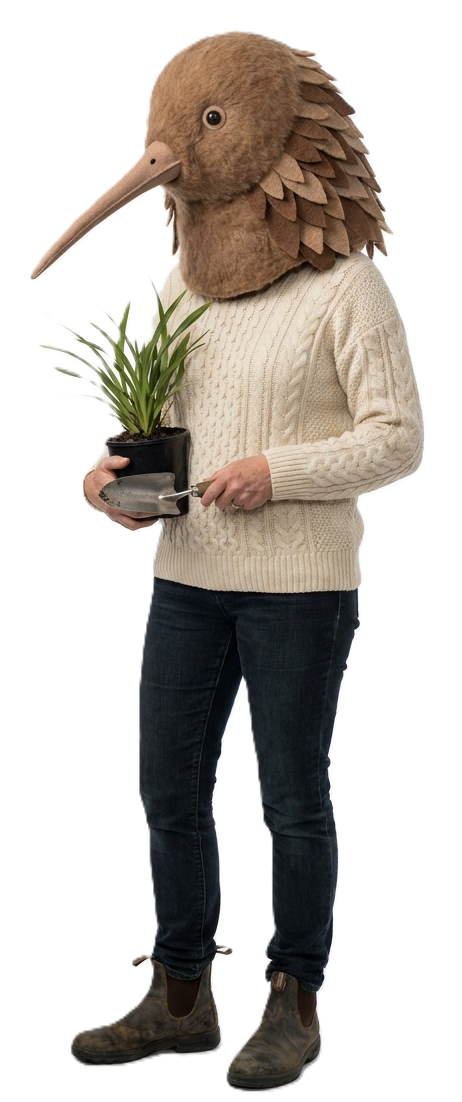
Jo is a suburban homeowner in Nelson committed to local environmental care, community working bees, and helping elderly neighbours. Reflecting the segment's focus on moderation and stability, she values practical conservation and everyday fairness over culture wars. She seeks workable solutions to cost-of-living pressures while strengthening community bonds.
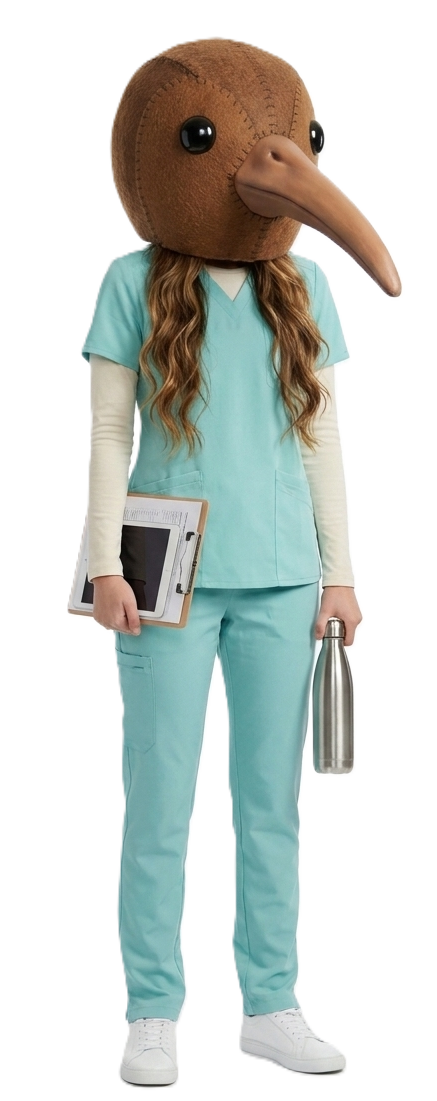
Sarah is a secondary school teacher in Hamilton who balances her early-career budget with practical community outcomes. Grounded in healthcare and education, she prioritizes cost-of-living solutions over political debate. Moderately progressive and inclusive, she focuses on daily stability, evidence, and practical support for her students and local sports teams.
Who Nah-Yeah-ers…
…are most SIMILAR to
Most similar in political posture, media trust, and floating vote
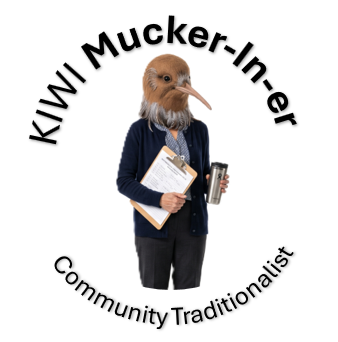
Both sit squarely in the non-ideological centre, sharing high trust in mainstream news while rejecting conspiracy theories and culture wars.
They feature the highest proportion of undecided floating voters heading into 2026, having split their 2023 votes between major parties rather than locking into a single brand.
Most similar in top priorities, voting history, and civic harmony
Both share identical household concerns dominated by cost of living and healthcare.
They value civility, compromise, and social cohesion over political conflict, displaying high personal belonging in New Zealand.
Demographically similar, both skew slightly older, majority Pākehā/NZ European, and report feeling financially comfortable while backing major parties.
Who Nah-Yeah-ers…
…are most DIFFERENT to
The Institutional Distrust & Cynicism Contrast
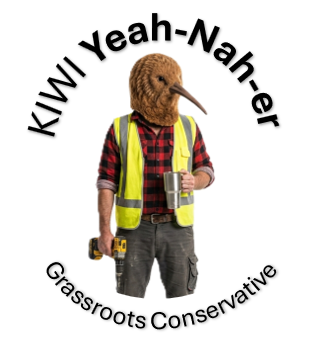
Grassroots Conservatives display severe media distrust, deep political cynicism, and pessimism about New Zealand's future.
Pragmatic Moderates differ sharply by maintaining high trust in news evidence, rejecting conspiracy theories or populist outrage, and reporting the country's highest sense of national belonging and optimistic stability.
The Ideological Left Contrast
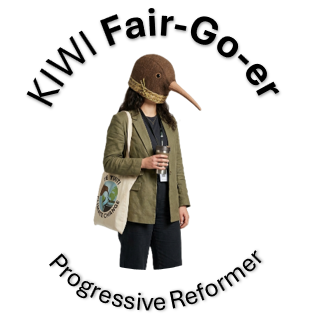
Progressive Reformers seek systemic overhaul, prioritize climate and Treaty issues as core to their identity, and demand political action.
In contrast, Pragmatic Moderates emphasize personal responsibility, avoid culture wars, reject radical system changes, and overwhelmingly report that political causes do not define who they are.
The Ideological Right & Authority Contrast
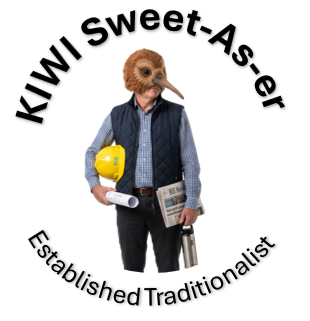
Established Traditionalists form a cohesive right-wing block focused on traditional authority, strict market meritocracy, and removing Treaty references from law.
Pragmatic Moderates sit in the political center, prioritize negotiation over rigid hierarchy, support social inclusion and multiculturalism, and reject divisive identity debates.