

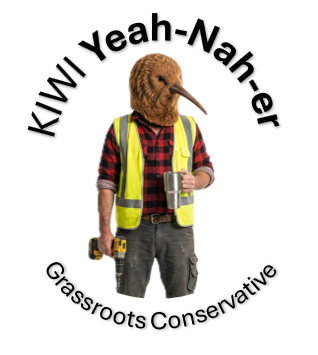
Kiwi Yeah-nah-ers
(Grassroots Conservatives)
Kiwi Yeah-nah-ers make up 10.8% of Kiwis, they work hard and trust their mates, but remain cynical about big business, media, and politicians.
Facing rising costs and stagnant wages, they feel the country is heading backwards due to rising crime, increasing immigration, and diluted national identity.
They prioritize respect, fairness, self-reliance, and accountability, believing politicians focus too much on climate change and Māori rights instead of practical everyday issues.
Leaning right ideologically, they seek common sense, lower taxes, and protection of Superannuation to maintain their security.
Self-reliance, security, loyalty, national identity, order and recognition of ordinary people’s concerns.
NOW: Immigration and Treaty issues worry Kiwi Yeah-nah-ers more than average, as well as worsening crime locally. TOMORROW: They worry about New Zealand’s declining living standards, youngsters, and some old colleagues, leaving for Australia and our loss of national culture. DIVIDES: Kiwi Yeah-nah-ers worry that immigration and preferential treatment of Māori and immigrants will drive further polarisation in New Zealand in the coming years.
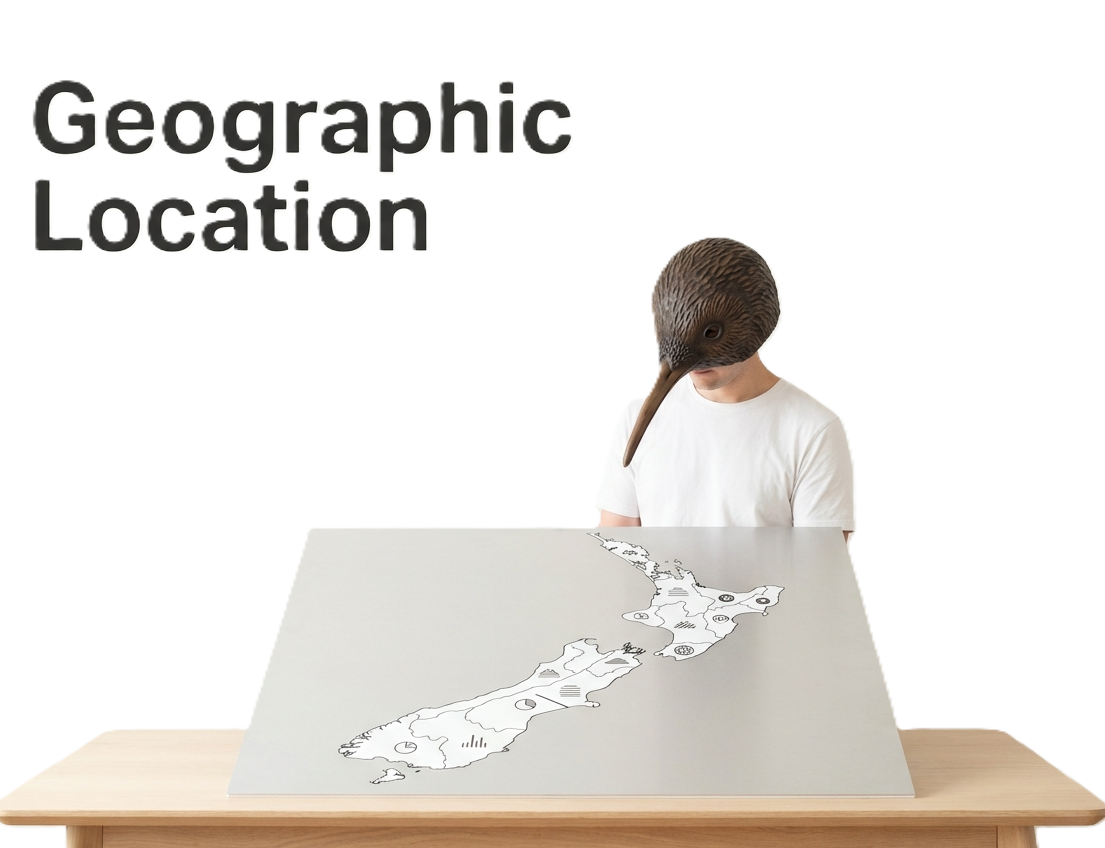
Like Steady On-ers, Kiwi Yeah-Nah-ers are spread evenly right across New Zealand, in all regions and communities. But more than any other segment, quite a few of their old workmates have moved overseas for better opportunities, at least for now.

Not heavy users of social media, Kiwi Yeah-Nah-ers watch more on TV3 than other Kiwis, but otherwise are pretty much as average as you could get in what they consume. But they’re pretty skeptical about whether they can believe any of it or not.
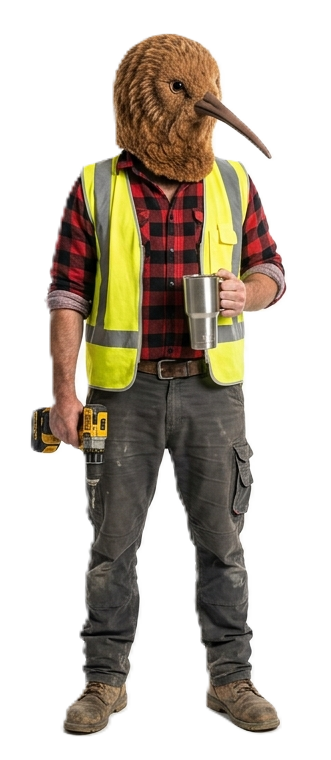
Jason
Kiwi Yeah-Nah-er
Jason lives in Rangiora with his wife and teenage son, while his eldest daughter and her partner live in the sleepout out back to save money.
Jason works full-time as an independent trade subcontractor in residential construction, and has been putting in long physical hours over the last few years rebuilding after the Christchurch quakes. But rising material costs and household expenses mean his family feels constantly under financial pressure. In a bad month it's even a struggle to cover basic costs.
Jason believes fiercely you get out what you put in - and that hard work and effort is what got him and his family where they are today. But he’s worried that our best days as a country are now behind us, and he’s worried his kids will move to Australia simply because they can’t find decently paid work here at home.
Jason does his bit in practical, traditional ways. He fixes the neighbour's fence, coaches junior rugby, and looks out for his family. While he is interested in what’s going on, he isn't interested in government handouts or high-sounding slogans; he just wants a fair go where honest work pays off, rules are enforced, and standard expectations apply to everyone.
He doesn’t trust politicians or the media much either. None of them seem to understand the hard-working reality of everyday Kiwis, and he thinks that both Wellington and big business hold far too much power over everyday people’s lives.
Like the majority of his friends, Jason voted National in 2023 but thinks they haven’t really done any better than the previous lot. He’lll probably vote this year, and is starting to think about switching to NZ First because of their ‘Kiwis First’ policies. In his trade he works with a lot of immigrants from the pacific as well as Maori, and counts many as his mates. But he thinks it's unfair that they get preferential treatment when it comes to health or homes.
Jason takes mainstream media coverage with a heavy grain of salt. On his commute in his ute, he toggles between commercial radio and talk radio like Newstalk ZB. He gets much of his information from workmates, and trade contacts rather than official news bulletins.
On Friday afternoons, Jason enjoys a cold beer in the garage with a couple of mates. Conversation revolves around everyday frustrations: the price of groceries and diesel, soft court sentences for youth crime, and a feeling that the country is losing its traditional anchor.
Jason is a proud Kiwi, but when politicians and the like claim that things are getting better, Jason’s answer is a classic "Yeah Nah".
Some more Kiwi Yeah-Nah-ers
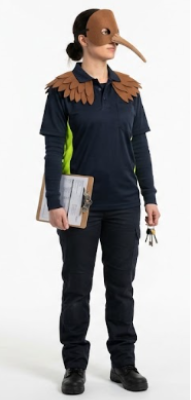
Tania is a operations clerk in South Auckland balancing 40-hour work weeks with intense household cost-of-living pressures. She is deeply worried about local crime, rising grocery inflation, and the growing feeling that government policies prioritise big corporations over ordinary, hardworking families trying to get ahead.

Tyler is a young apprentice mechanic in Tyler is a young apprentice mechanic in Hamilton representing younger skilled trade workers. Frustrated by stagnant entry-level wages and watching workmates move to Australia for better financial opportunities, he strongly supports law-and-order accountability and values practical, hands-on effort far above political rhetoric.

Brenda is a supermarket shift supervisor and family caregiver in Hastings managing tight household budgets while helping support her grandchildren. Highly concerned about youth crime, retail theft, and healthcare access, she strongly believes that respect, good manners, and personal responsibility should be taught to young people.
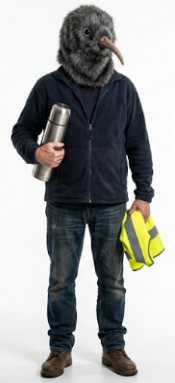
Ray is a retired meat processing operator and club member in Timaru representing older working-class retirees. He is deeply committed to protecting universal superannuation eligibility at 65, preserving national culture, and enforcing tougher court sentences for repeat offenders, relying mostly on talk radio and trusted mates.
Who Yeah-Nah-ers…
…are most SIMILAR to

Most similar in economic squeeze, institutional distrust, and anti-elite frustration
Both segments feel financially stretched despite working hard, sharing deep cynicism toward Wellington institutions, bureaucrats, and mainstream media.
They share a no-nonsense outlook on law and order, frustration with rising living costs, and strong pushback against perceived preferential treatment or identity politics.
Most similar in right-of-centre ideology, cultural values, and national identity
Both segments share firm conservative social values, demand accountability on crime, oppose co-governance/Treaty partnership models in public services, and reject progressive social engineering.
However, while Established Traditionalists are financially secure homeowners who trust mainstream center-right governance (primarily National and ACT), Kiwi Yeah-nah-ers are far more financially stressed, alienated, and drawn to populist disruption.
Who Yeah-Nah-ers…
…are most DIFFERENT to
The Complete Ideological & Cultural Divide
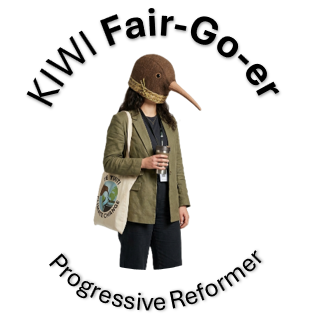
Progressive Reformers are highly political, socially liberal, and driven by systemic reform, climate urgency, redistribution, and Te Tiriti partnership.
Kiwi Yeah-nah-ers sit at the direct opposite end of the spectrum: they champion individual responsibility, equal citizenship without group distinctions, and view progressive cultural agendas as divisive, elitist, and detached from everyday working Kiwis.
The Institutional Trust & Establishment Comfort Contrast
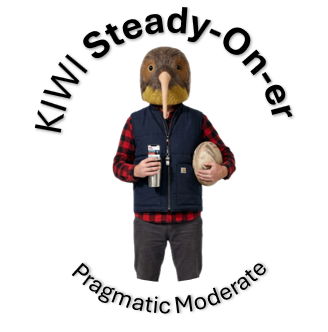
Pragmatic Moderates enjoy greater financial comfort, place high trust in mainstream news and public institutions, and favour cautious, incremental compromise.
Kiwi Yeah-nah-ers differ sharply through their deep institutional cynicism, economic vulnerability, and strong conviction that the political and economic system is failing everyday New Zealanders.